Art Competition
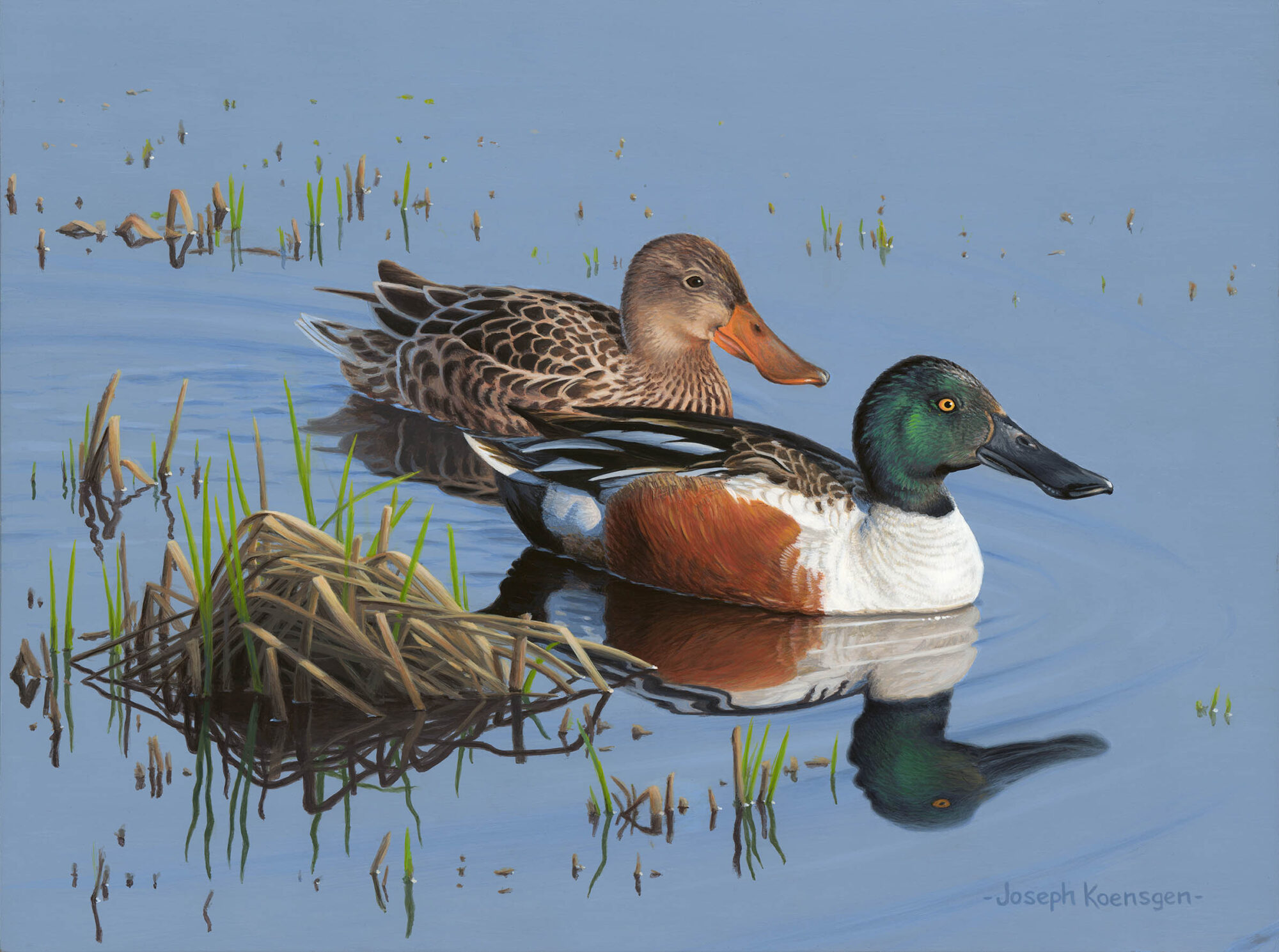
Painting by Joseph Koensgen
Overview
Wildlife Habitat Canada invites Canadian wildlife artists to participate in our national wildlife art competition, which is held annually to select the Canadian Wildlife Habitat Conservation Stamp and Print image.
Dates to Remember
2027 Art Competition
Closed for Entry
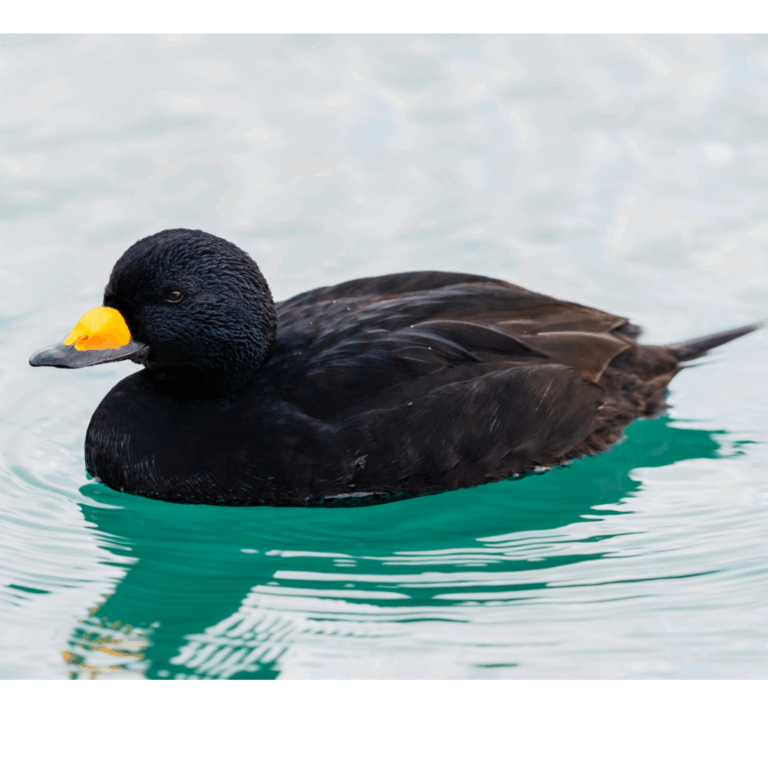
- The 2027 winning Stamp will be announced April 1, 2027.
2026 Art Competition
Closed for Entry
- The 2026 winner is Evening Reflections – Northern Shoveler by Joseph Koensgen
We’re updating our Art Competition timeline
For many years, there has been an 18-month gap between the competition and the announcement of the winning Conservation Stamp artwork. While this has been the standard, it has made it difficult to maintain momentum and engagement within the art community.
To better connect with artists and keep the process more immediate, we are shortening this timeline to approximately seven months. Moving forward, the Art Competition will take place in September, with the winning artist still announced on April 1 of the following year.
As a result of this shift, and because the 2027 winning artwork has already been selected, there will be no Art Competition held this year while we adjust to the new schedule. The next Art Competition will take place in September 2027, with the 2028 Stamp winner announced on April 1, 2028.
The 2027 winning Stamp will still be announced April 1, 2027!
For more information on the Art Competition or becoming an invited artist, please contact admin@whc.org
How to Enter the Competition
- Canadian citizens and landed immigrants are eligible to participate in the art competition at the invitation of Wildlife Habitat Canada. If the participant is under the age of 18, a letter of consent signed by the parent(s) or legal guardian is required and must accompany the confirmation of intent to participate.
- Persons who have previously won the art competition during the preceding three (3) years, are ineligible to submit an entry in the current year’s art competition (E.g. if you won the 2021 Art Competition, the next time you can compete is the 2025 Art Competition).
- Members of the art competition judging panel, employees and members of the Board of Directors of Wildlife Habitat Canada, employees of the Federal Department of the Environment or Members of Parliament and their immediate families and relatives are ineligible to submit an entry.
STEP 1
Review our Art Competition Info Package
STEP 2
Read, sign and submit Intent to Participate Form (before August 1, 2025)
STEP 3
Start painting!
STEP 4
The following items must be submitted and received by WHC upon deadline:
• Painting submission including painting title
• One signed copy of the 2027 Wildlife Habitat Canada – Art Agreement
Please note:
- Missing any of these steps and/or deadlines may disqualify your painting submission. Please contact us immediately if you think you will miss a deadline.
- We encourage everyone to use our online process as much as possible to ensure accuracy, reduce paper waste, and avoid delayed mailings.
- Please email Jennifer at jcollard@whc.org when you are ready to ship your painting.
Although the Art Competition is by invitation only, Wildlife Habitat Canada welcomes new Canadian wildlife artists that may be interested in submitting a piece to the competition.
For new Canadian wildlife artists wishing to participate in the competition, please send an artist CV and website link where your artwork can be viewed (or provide samples of your work) to jcollard@whc.org
Submit your 2027 Art Competition entry fee by clicking here .
- The entry fee is only required when a shipping label is requested to submit your painting.
- Please note that the fee is non-refundable.
- Invited artists must submit only one (1) original entry.
- Entries must be an original multi-coloured painting in the artist’s choice of medium (no reproductions).
- Please Note: Pastel submissions will no longer be accepted (as of 2018) due to the fragile nature of the piece and challenges associated with the reproduction of Stamp products.
- Please Note: at this time we are accepting original paintings and are not currently accepting digital painting pieces.
- Submissions must be one of the following to be accepted;
(1)12” x 18”,
(2) 12” x 16”,
(3) 11”x 14”, or
(4) 6” x 8” - The painting must portray the eligible waterfowl species / migratory game bird in its breeding plumage and natural habitat during breeding season.
- The habitat of the species must be clearly defined. A landscape design must be incorporated into the painting along with the traditional image of the waterfowl.
- The painting must be painted in such a way that the painting (or the cropped portion of the painting) can effectively be reduced to Stamp size and Print size:
o The Stamp size: 1 1/4″ x 2″
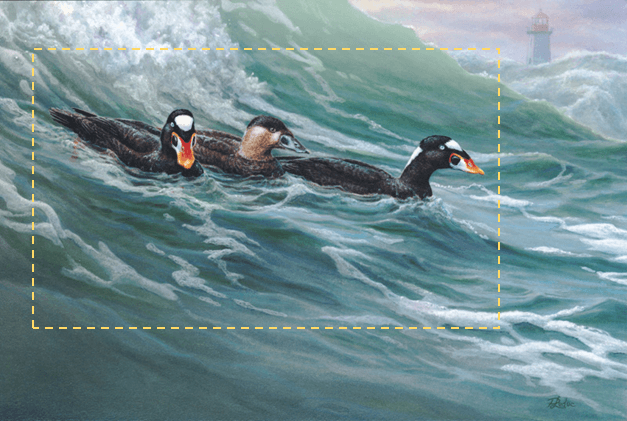
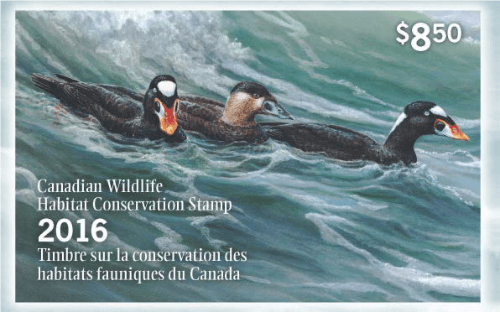
o The Print size: 6 1/2″ x 9″ - Sufficient tranquil area must be provided around the eligible bird to allow for the placement of required Stamp text (see Stamp Crop Example of the 2016 winning painting, below):
- “Canadian Wildlife Habitat Conservation Stamp
[YEAR]
Timbre sur la conservation des habitats fauniques du Canada
$8.50″
Stamp Crop Example
Original Submission with Crop Outline
Stamp Reproduction of the Cropped Painting
- A minimum of five independent judges are selected for the panel, including an ornithologist, past Conservation Stamp artist winner, and a representative of Environment and Climate Change Canada.
- Judging criteria includes:
- Anatomical and habitat accuracy as depicted in breeding plumage and season;
- Artistic composition;
- Originality;
- Technical suitability for reproduction as a Stamp and a lithographic Print.
Judging Criteria
A minimum of five independent judges are selected for the panel, including an ornithologist, past Conservation Stamp artist winner, and a representative of Environment and Climate Change Canada.
Judging criteria includes:
- Anatomical and habitat accuracy as depicted in breeding plumage and season;
- Artistic composition;
- Originality;
- Technical suitability for reproduction as a Stamp and a lithographic Print.
Previous
Competitive Entries
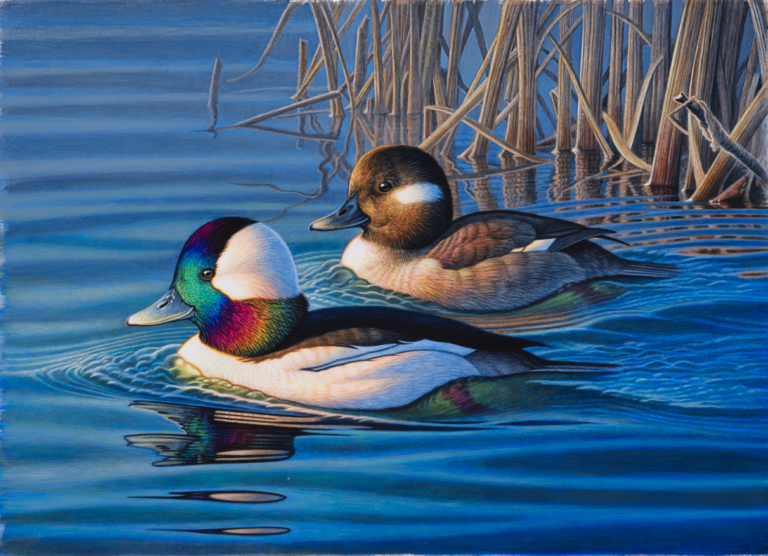
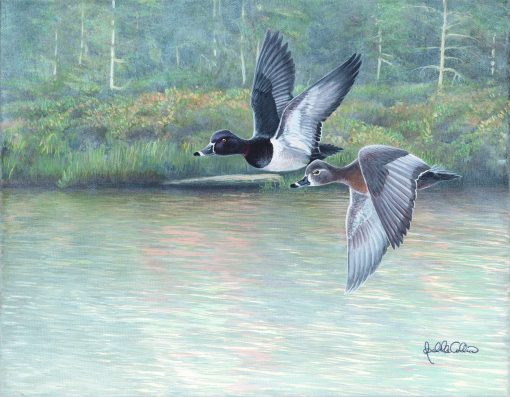
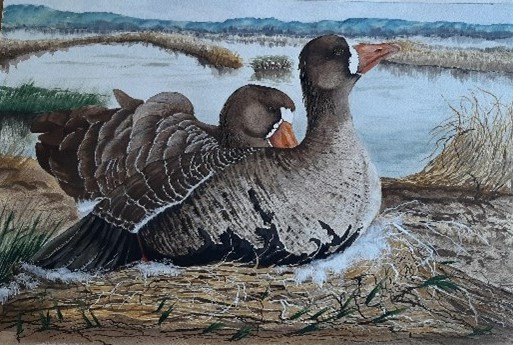
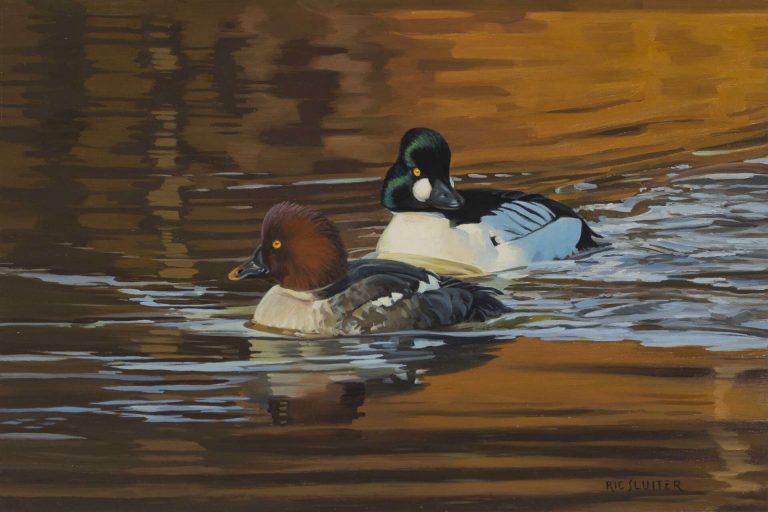
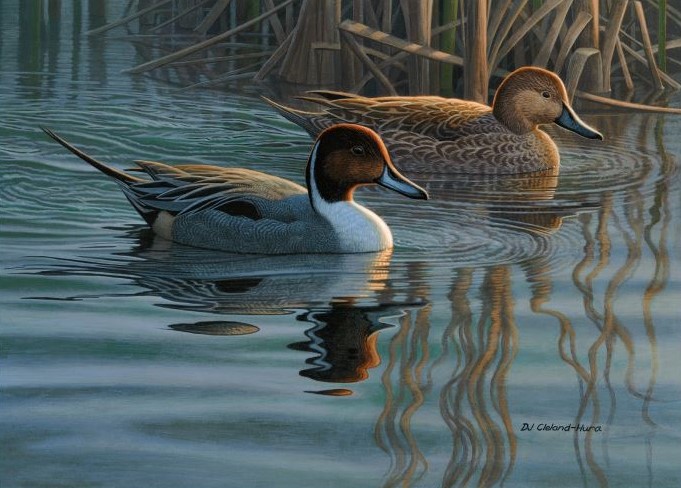
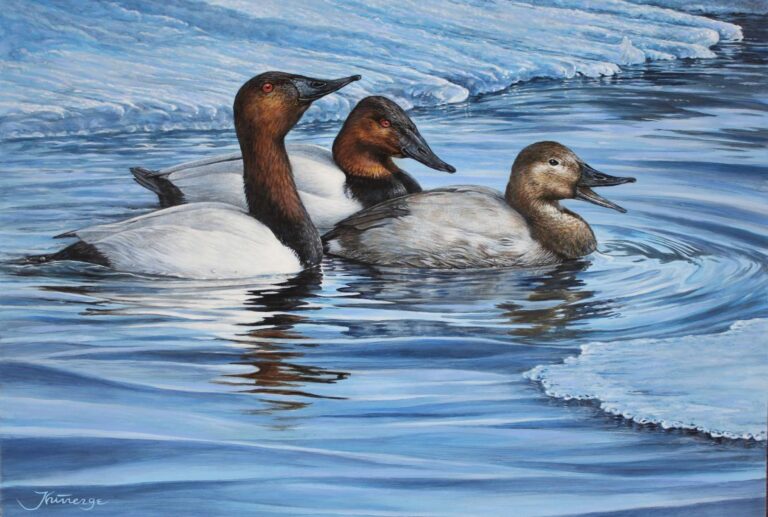
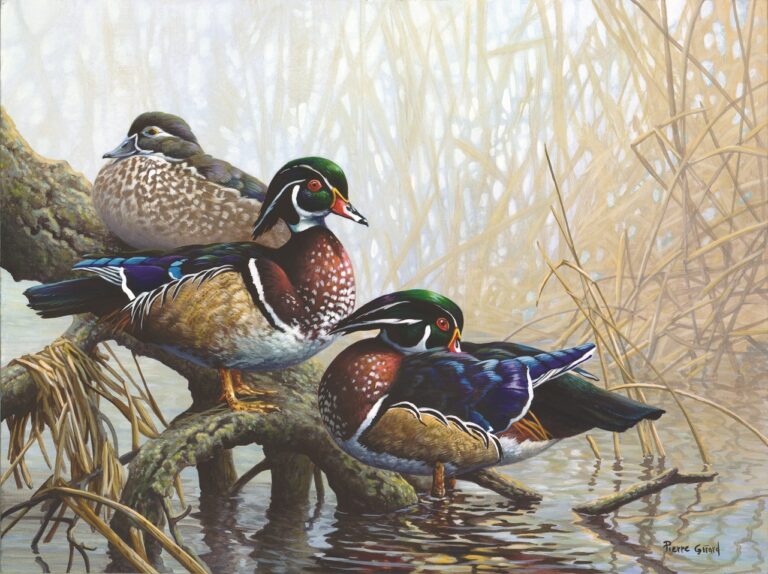
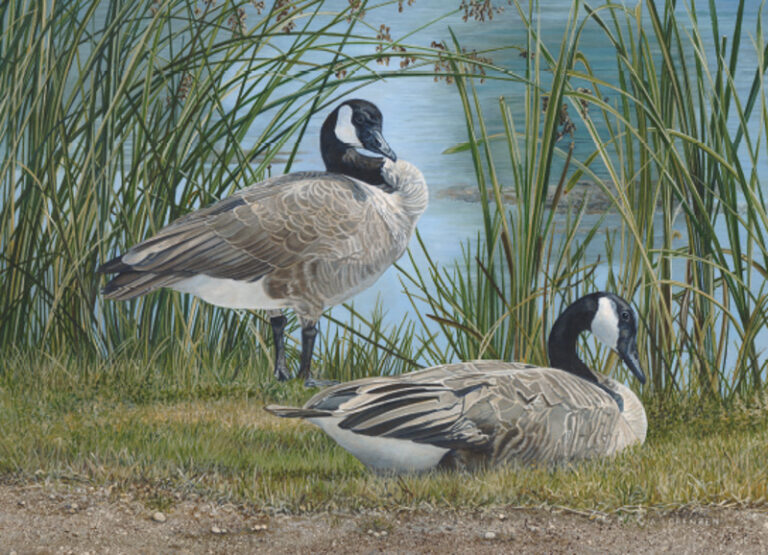
Every year, WHC receives numerous paintings for the Art Competition. Each one is meticulously painted by a Canadian artist and is unique, offering a different perspective of the selected species. While we are limited to choosing only one finalist as the winning painting, the quality of art that we receive does not go unnoticed and we would like to showcase it.

Get your Canadian wildlife habitat conservation stamp today!